Air Premia · Mobile App
모바일 앱 전 과정을 직접 소유 — 가설 수립, 사용자 리서치, UT 운영, 출시, 지표 분석까지. Led end-to-end design of Air Premia's mobile app — from hypothesis setting and user testing to shipped product and measurable outcomes.
App ↗"2024년에 모바일 앱이 없는 항공사가 있다고? 신선했어요"
"An airline with no mobile app — in 2024? That's actually kind of refreshing."
실제 사용자 인터뷰 중 From a real user interview
2024년 4월까지 에어프레미아에는 모바일 앱이 없었습니다. 코로나 위기를 최소 인원으로 버텨온 결과였지만, 모바일로 모든 것을 해결하는 사용자들에게 이는 더 이상 미룰 수 없는 공백이었습니다. Air Premia had no mobile app as late as April 2024. A gap born from pandemic survival, but no longer acceptable for users who manage everything on their phones.
저는 리서치를 통해 핵심 방향을 정의했습니다. 사용자가 앱을 가장 필요로 하는 순간은 예매가 아니라, 예매 이후부터 탑승까지입니다. 이 인사이트를 바탕으로 "탑승에 최적화된 앱"이라는 명확한 방향을 설정하고, 가설 수립부터 IA, UT, 출시 후 지표 분석까지 전 과정을 직접 소유했습니다. Research revealed the core insight: users need the app most not during booking, but from post-purchase through boarding. I owned the full process, from hypothesis setting and IA to UT facilitation and post-launch measurement.
모든 숫자는 과정에서 내린 디자인 결정의 직접적인 결과입니다. Each number is a direct outcome of a design decision made during the process.
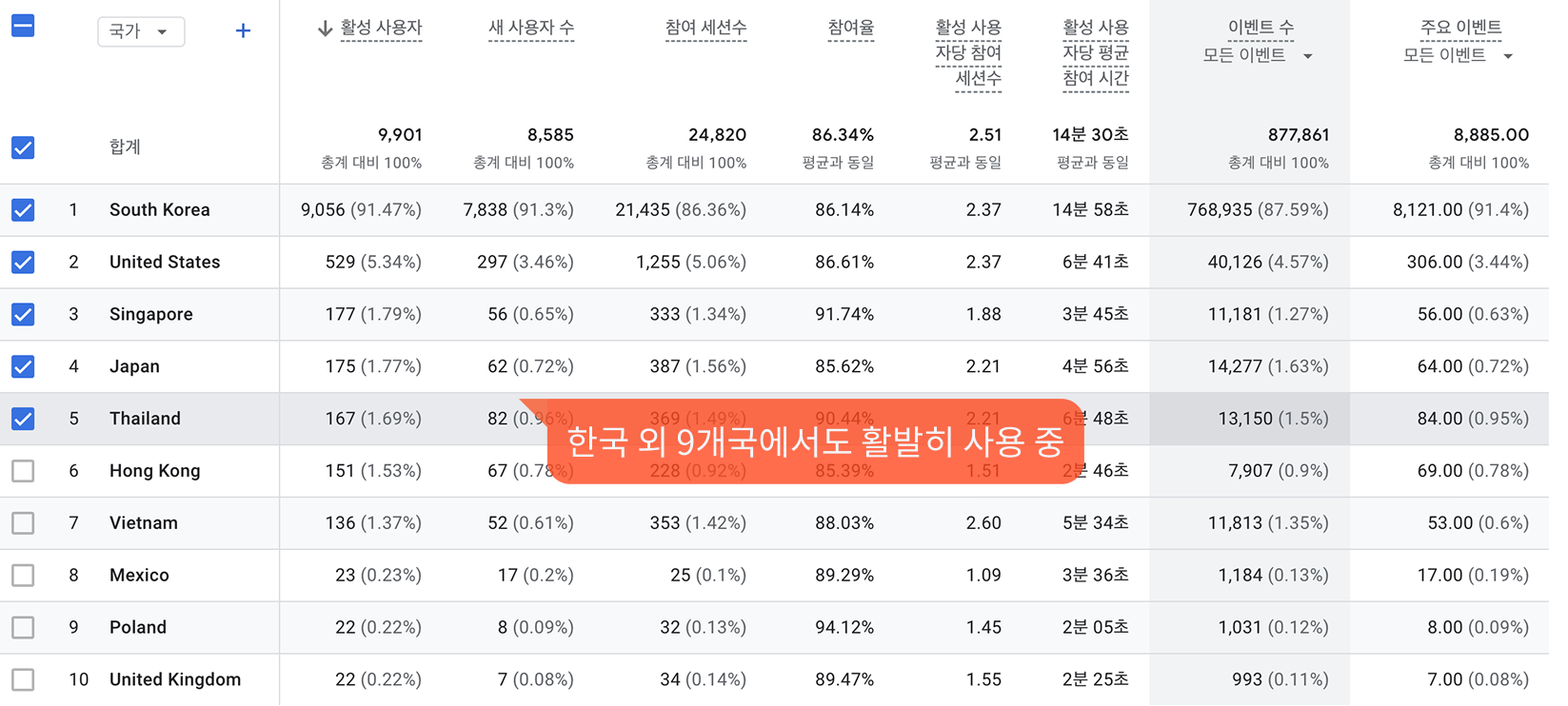
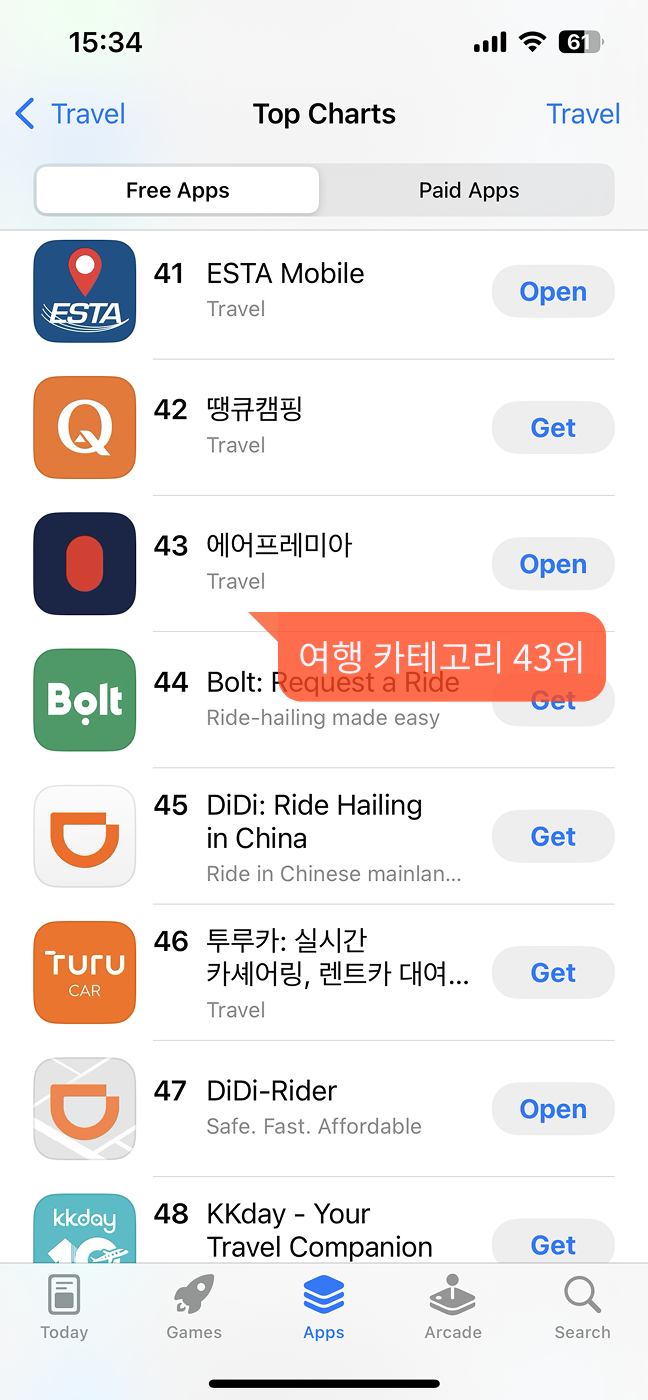
핵심 가설 검증: 사용자는 예매 직후 스스로 앱을 찾아 다운로드합니다. 유료 UA 없이 오가닉만으로 달성했습니다. Users organically find the app right after booking. Achieved without any paid UA, organic installs only.
레거시 앱의 30분 세션 제한을 완전히 제거한 직접적 결과. Direct result of eliminating the legacy app's 30-minute session limit entirely.
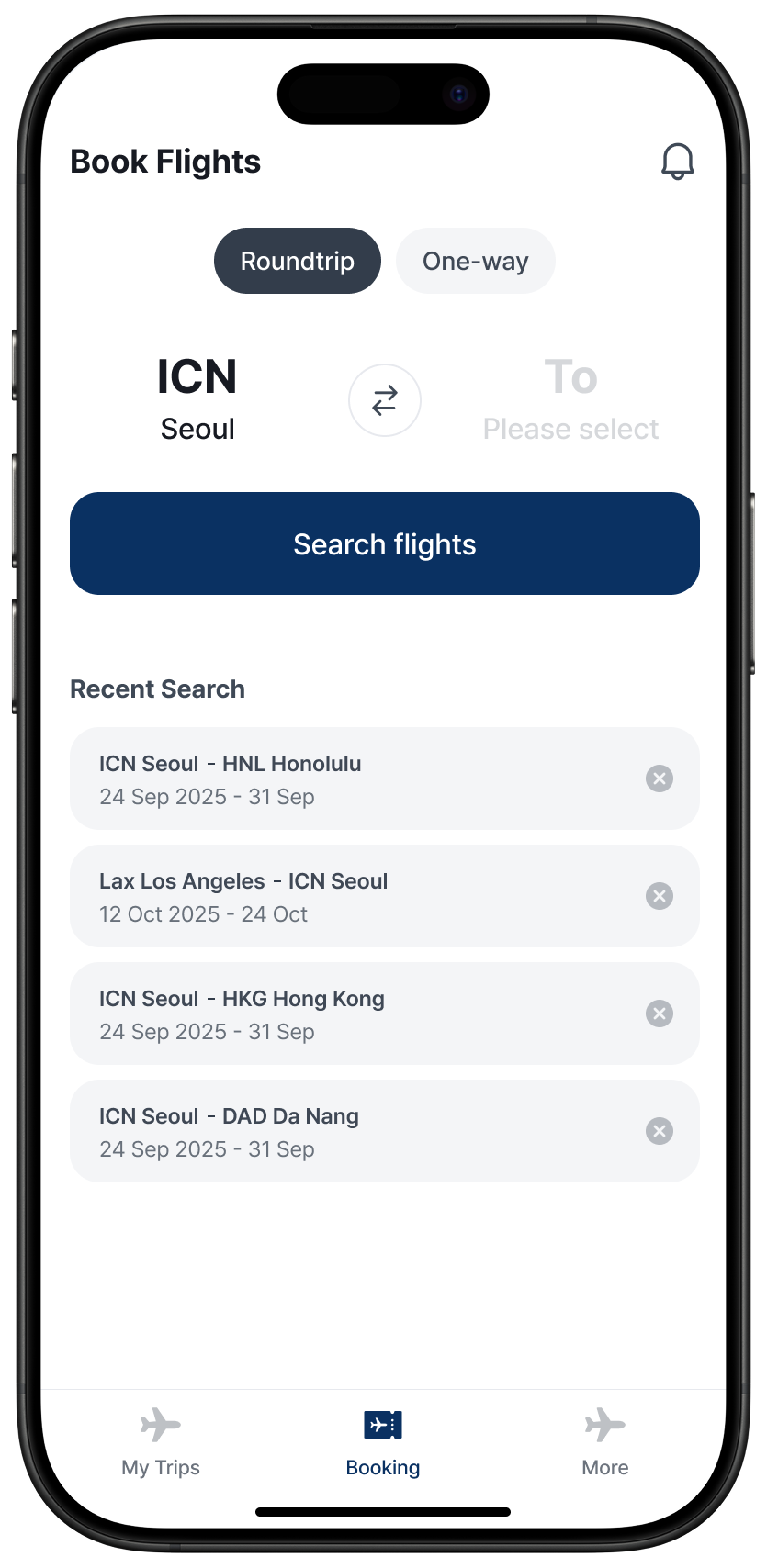
예매 탭은 원래 브리프에 없었습니다. UT에서 인앱 예매 수요를 발견하고 추가했습니다. The booking tab wasn't in the brief. UT revealed in-app booking demand, so we added it.
01 — Problem
2024년 하반기, 모바일을 통한 예약 비율이 처음으로 PC를 넘어섰습니다. 그런데 에어프레미아에는 앱이 없었습니다.
앱이 없다는 건 단순히 채널 하나가 빠진 게 아닙니다. 사용자는 체크인이 필요할 때마다 네이버를 검색하고, 홈페이지에 로그인하고, 원하는 메뉴를 직접 찾아가야 했습니다. 항공 여행에서 가장 불안하고 바쁜 순간에, 사용자를 혼자 내버려 두는 구조였습니다.
문제는 "앱을 만들자"가 아니었습니다. "사용자가 가장 필요로 하는 순간이 언제인가"를 먼저 정의해야 했습니다.
In the second half of 2024, mobile bookings surpassed desktop for the first time. But Air Premia had no app.
The absence wasn't just a missing channel. Every time users needed to check in, they had to search on Naver, log into the website, and navigate on their own, at the most stressful, time-pressured moments of travel.
The real question wasn't "should we build an app?" It was: "what does a traveler actually need, and when?"
02 — Hypothesis
대부분의 사용자는 예매 완료 직후 앱을 스스로 찾아 다운로드할 것이다. Most users will organically search for and download the app right after completing a web booking.
사용자는 매번 로그인하지 않고 앱에 머물기를 기대할 것이다. 자동로그인과 세션 유지는 재방문을 늘릴 것이다. Users will expect to stay logged in. Auto-login and session persistence will increase return visits.
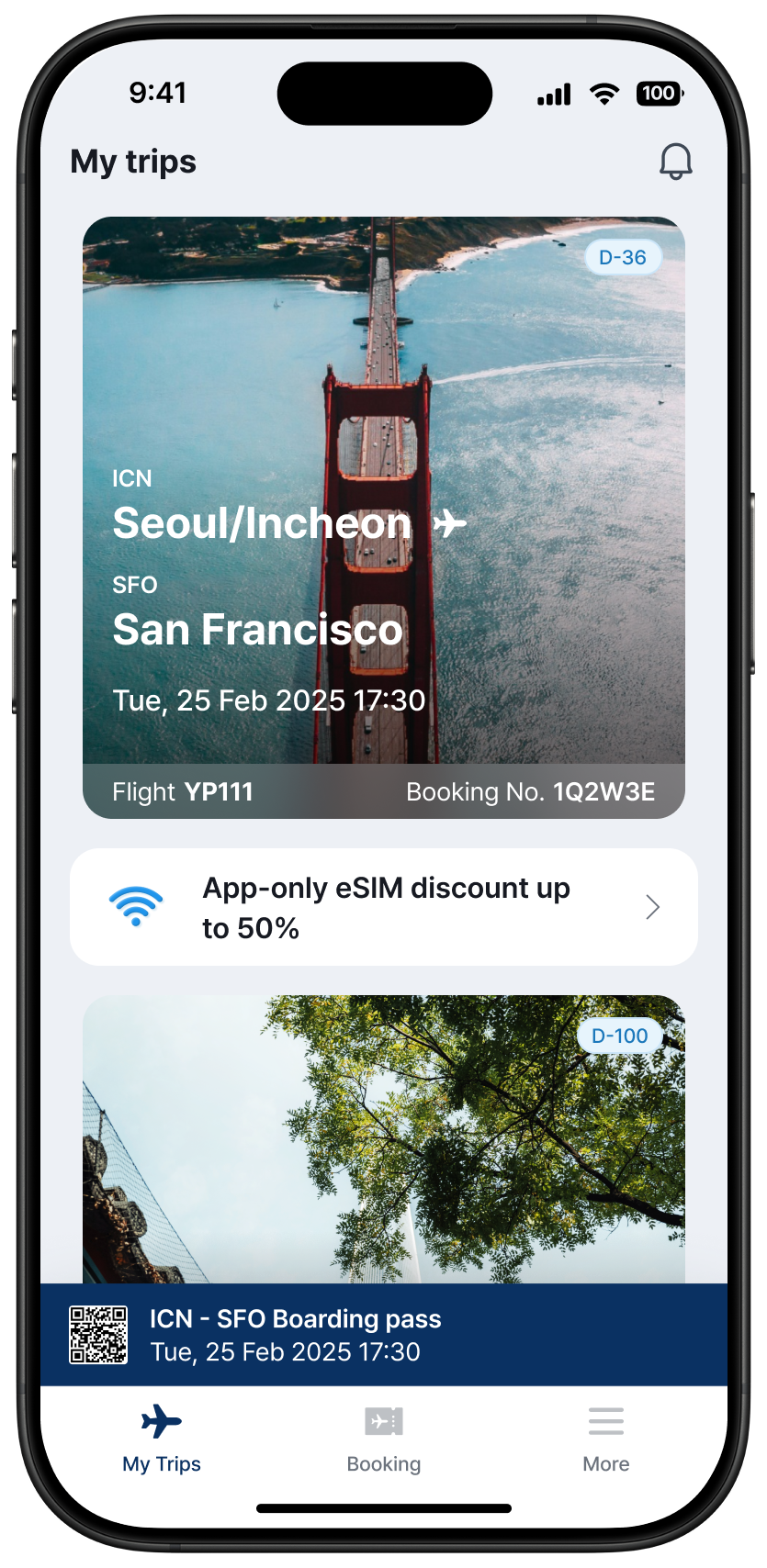
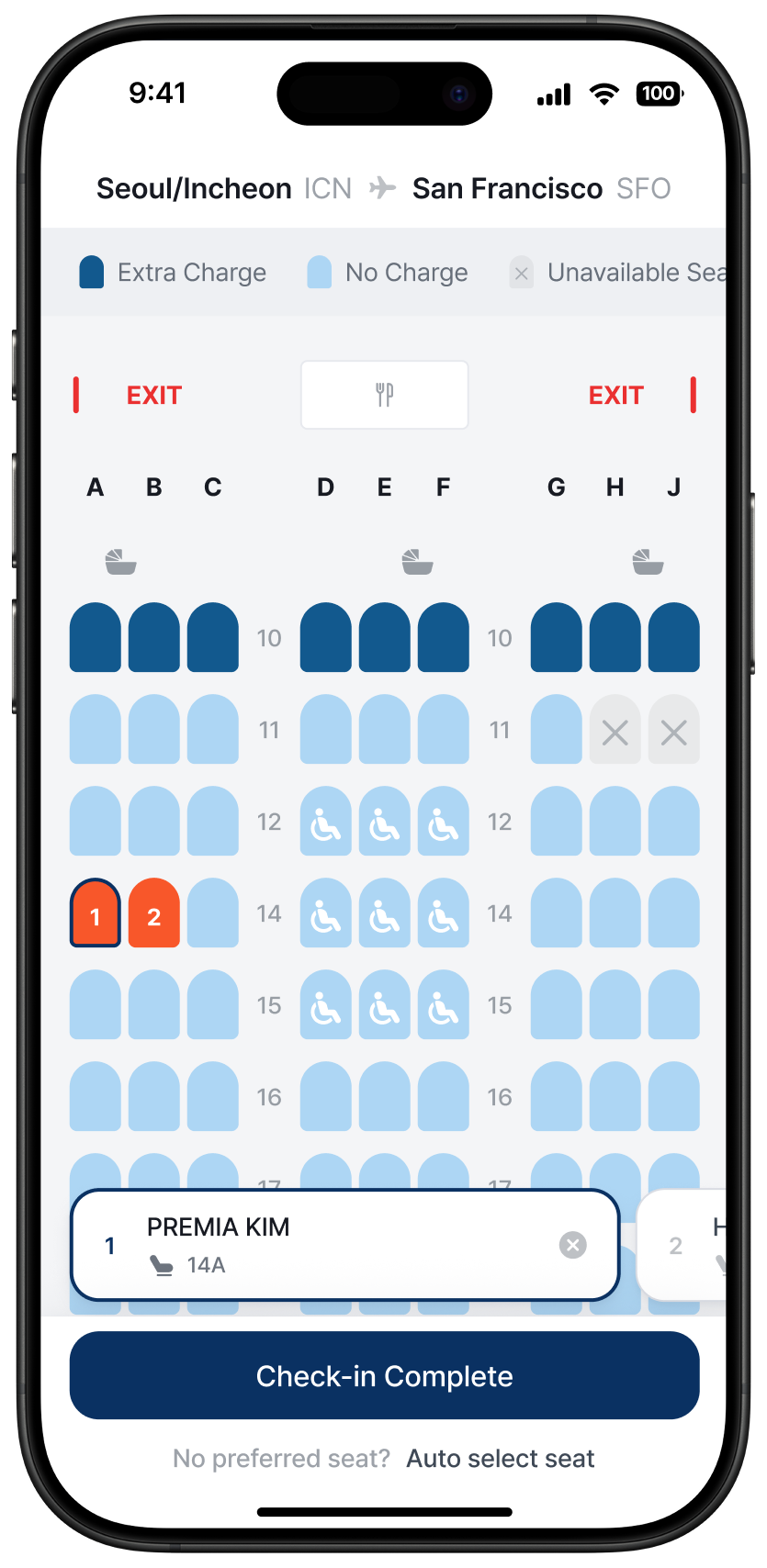
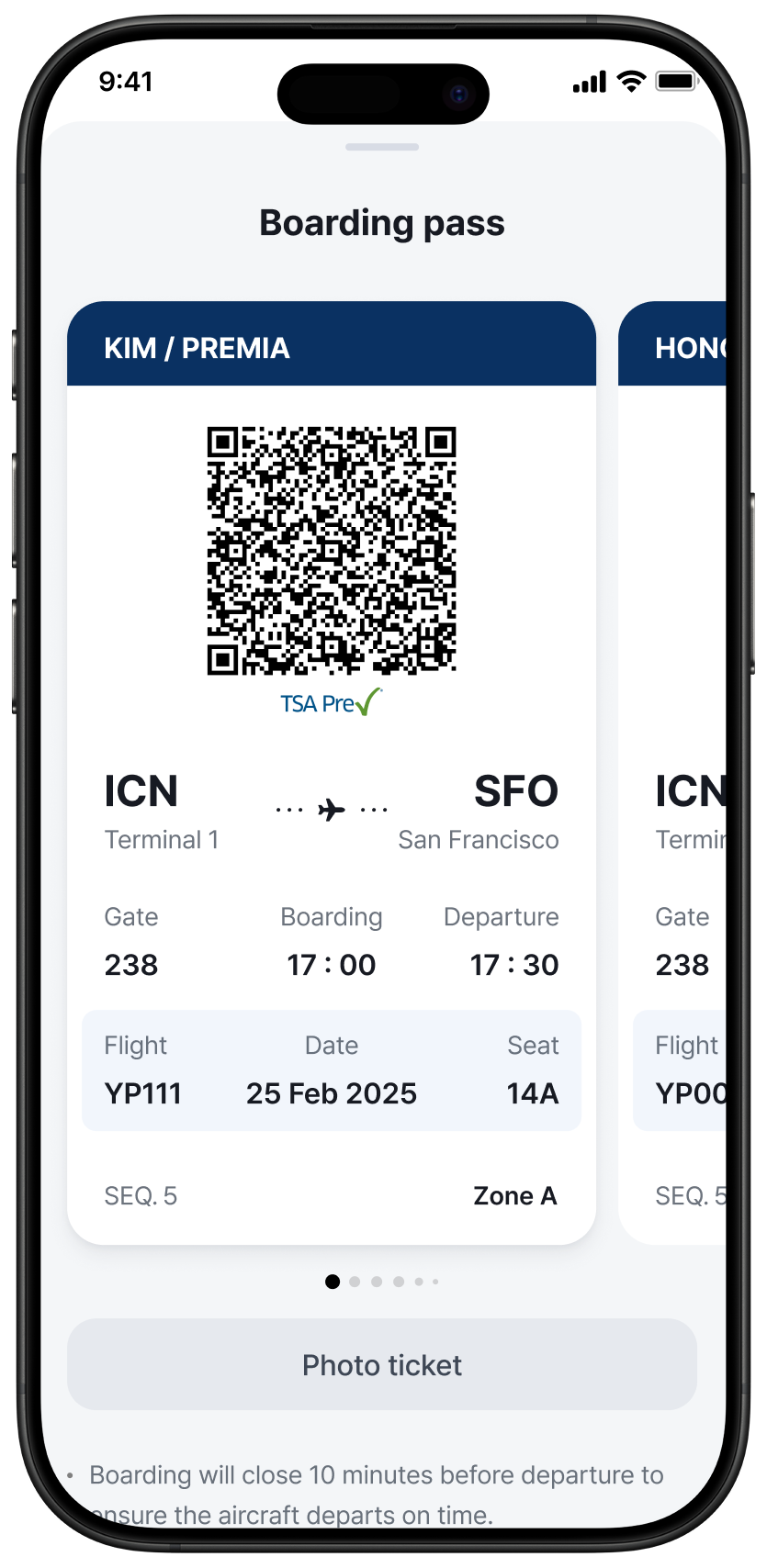
사용자는 모바일 탑승권을 기대하며, 예약 조회와 체크인을 하나의 흐름 안에서 해결하기를 원할 것이다. Users will expect a mobile boarding pass and want to handle check-in and reservations in one unified flow.
적절한 시점의 정보성·마케팅 알림은 환영받을 것이다. Timely, relevant push notifications will be welcomed. Phase 2 — out of MVP scope
일부 사용자는 앱을 통해 직접 항공권을 예매하려 할 것이다. Some users will want to book directly through the app. Exploratory — validate demand only
03 — Goal
Primary Goal
오가닉 다운로드 전환 Drive organic app installs
목표: 앱 스토어 '에어프레미아' 검색 최상단 노출Secondary Goals
Exploratory Goal
04 — Solution
레거시 앱은 30분마다 세션이 만료됐습니다. 사용자 리서치에서 "매번 로그인해야 하는 앱은 쓰기 싫다"는 피드백이 반복됐고, 세션 제한을 완전히 제거했습니다.The legacy app expired sessions every 30 minutes. Research showed this was the top friction point: "I won't use an app that makes me log in every time." Heard repeatedly. We removed the limit entirely.
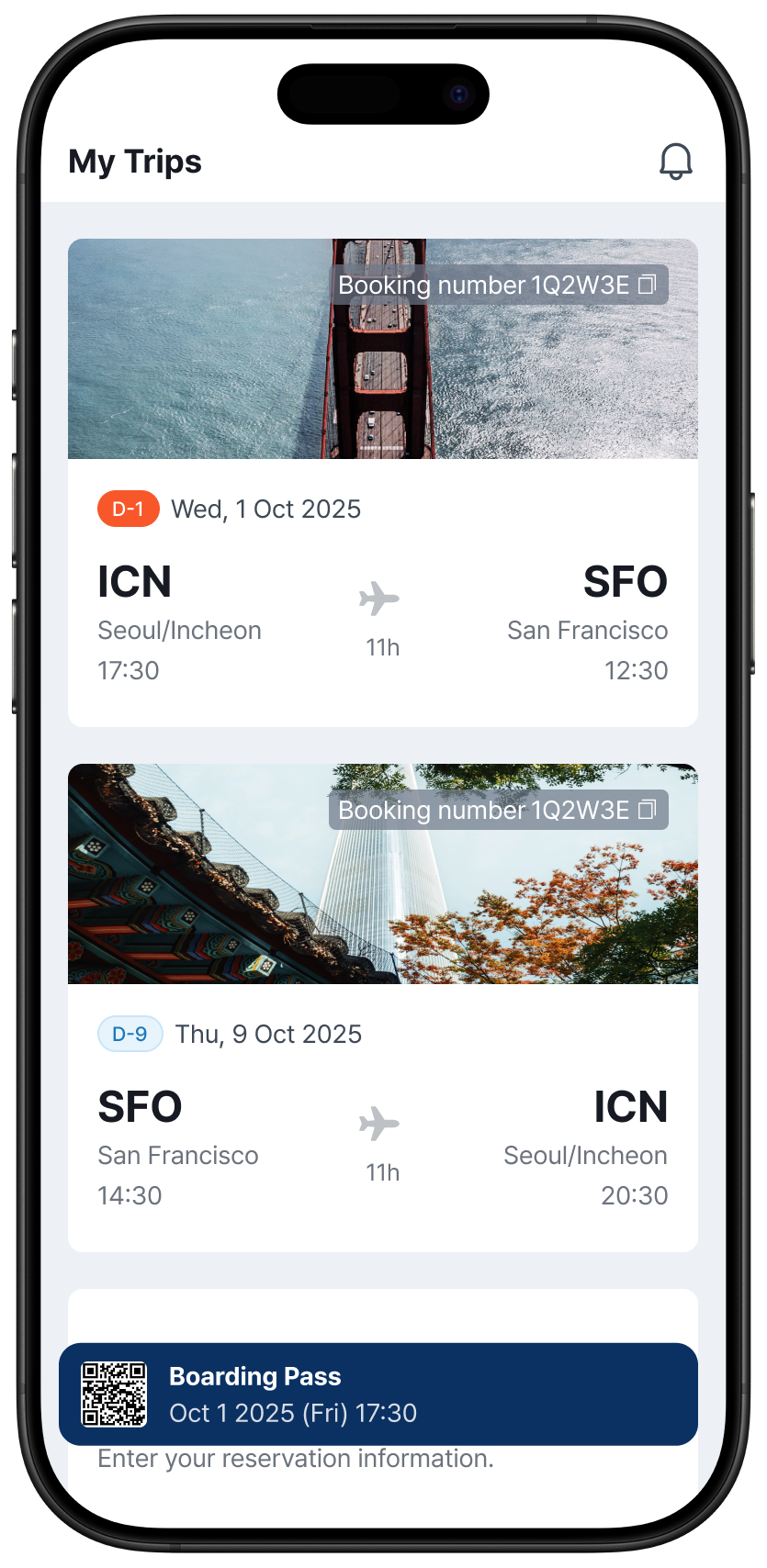
앱 로그인율 웹 대비 2배App login rate 2× vs. web사용자는 "예약 내역"과 "체크인 목록"을 구분하지 않습니다. 두 개의 분리된 메뉴는 혼란만 만들었습니다. 다가오는 여정을 중심으로 하나의 화면에 통합했습니다.Users don't distinguish between "my bookings" and "check-in list." Splitting them created unnecessary confusion. We merged them, surfacing upcoming trips first.
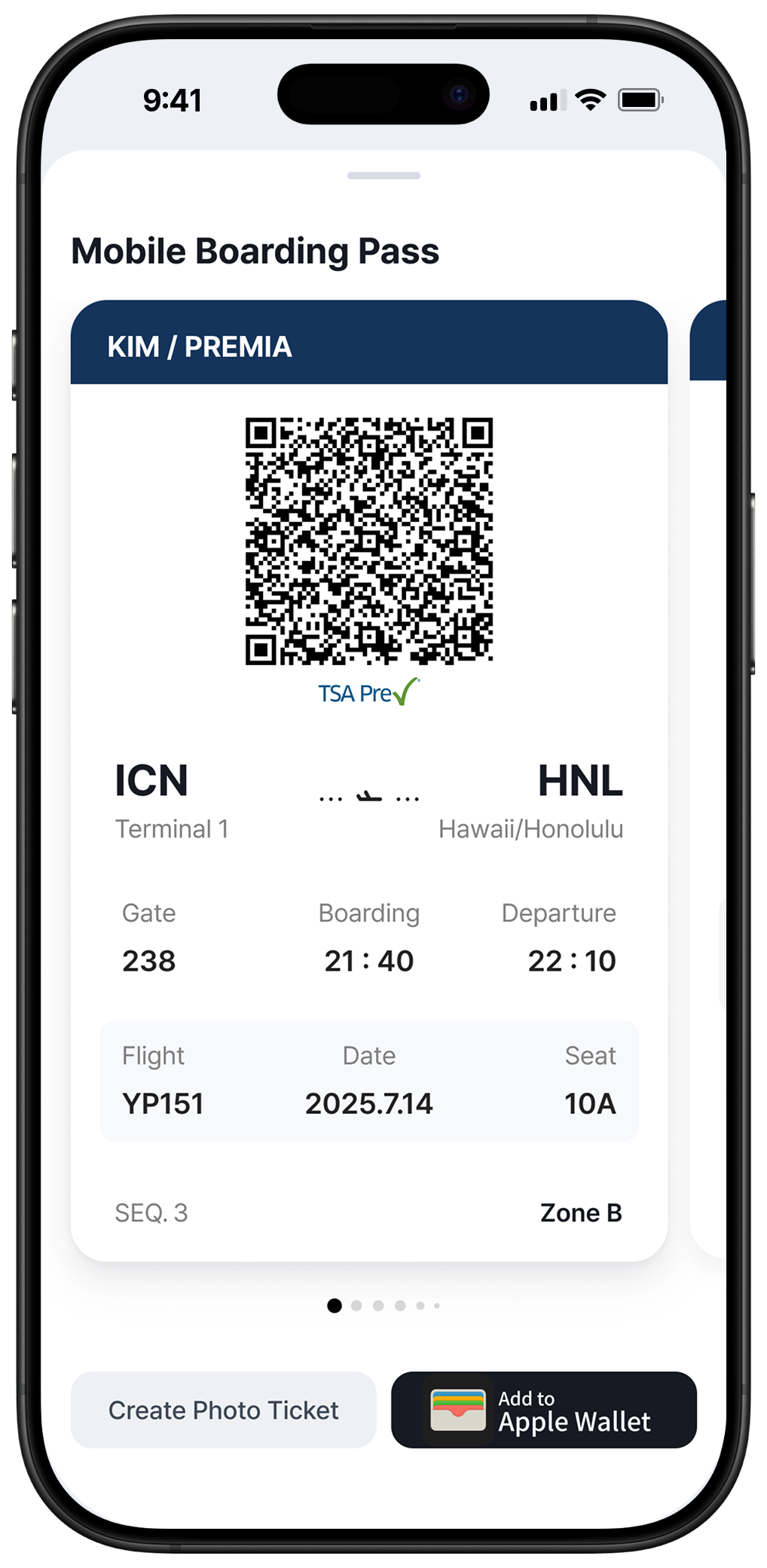
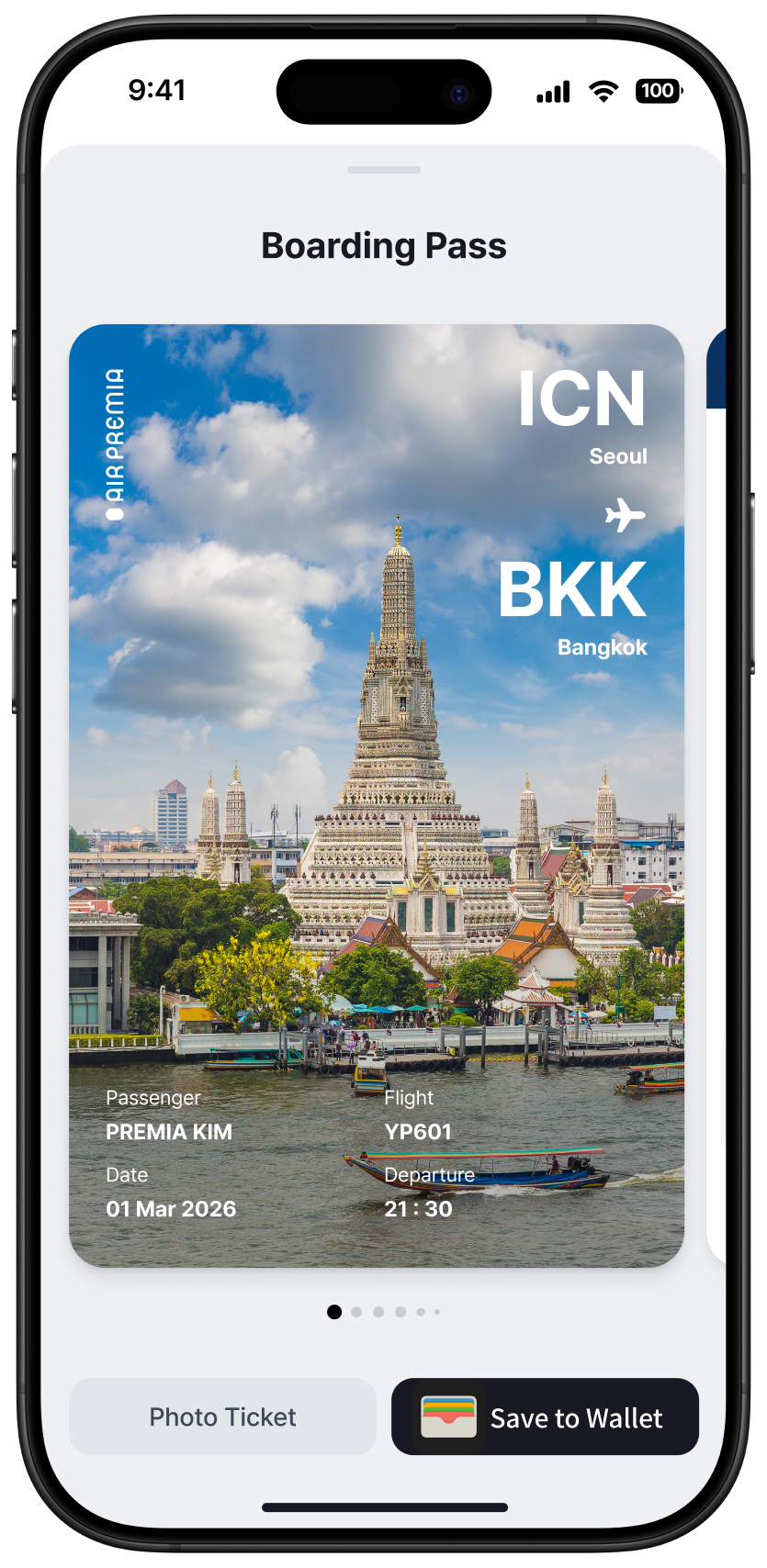
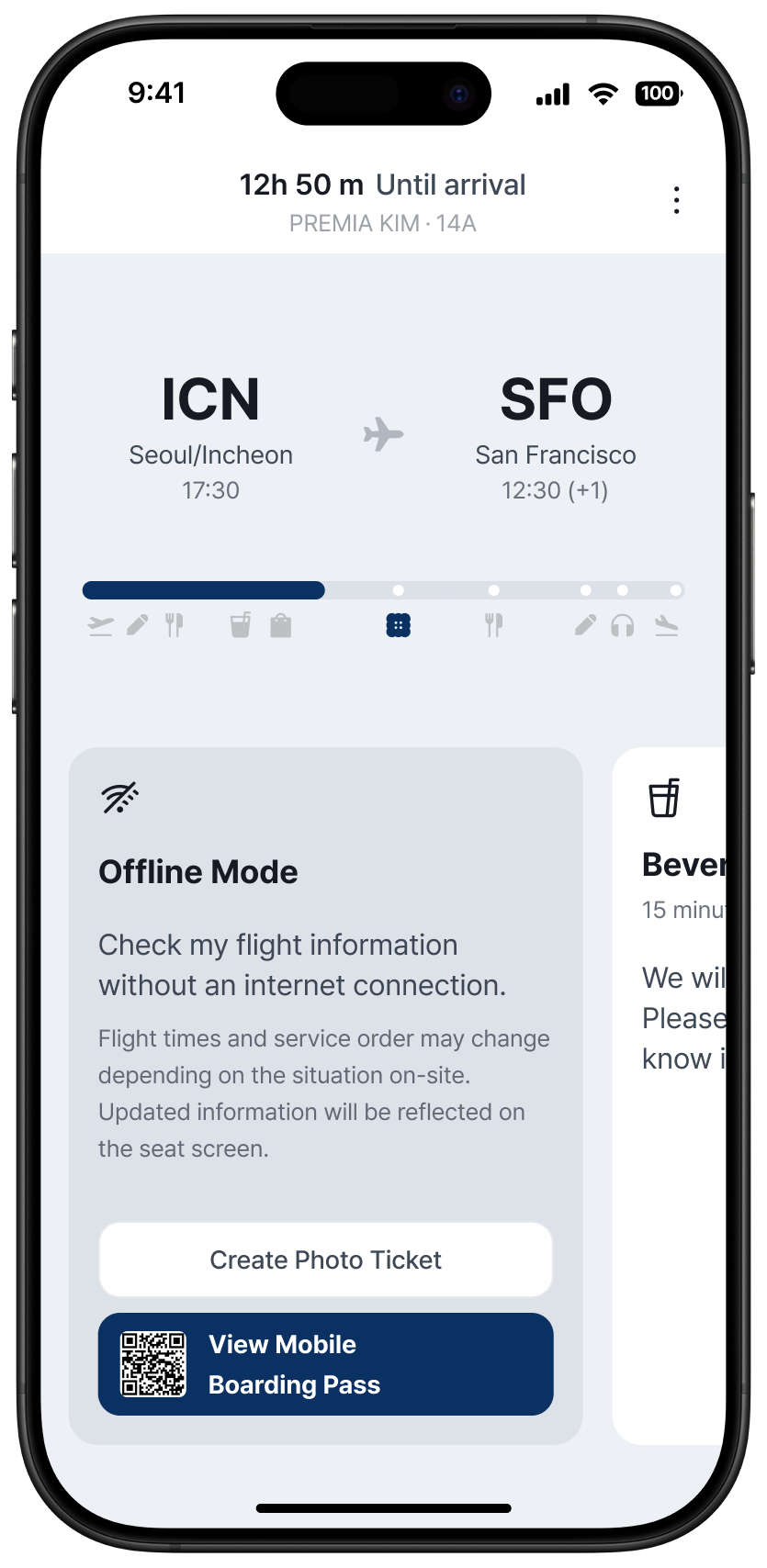
탑승권이 필요한 순간은 예측할 수 없습니다. 어떤 화면에서든 즉시 꺼낼 수 있도록 플로팅 바로 제공했습니다. UT에서 8명 중 8명이 이 방식을 압도적으로 선호했습니다.The moment you need your boarding pass is unpredictable. We made it instantly accessible from any screen via a floating bar. In UT, all 8 participants strongly preferred this over tab navigation.
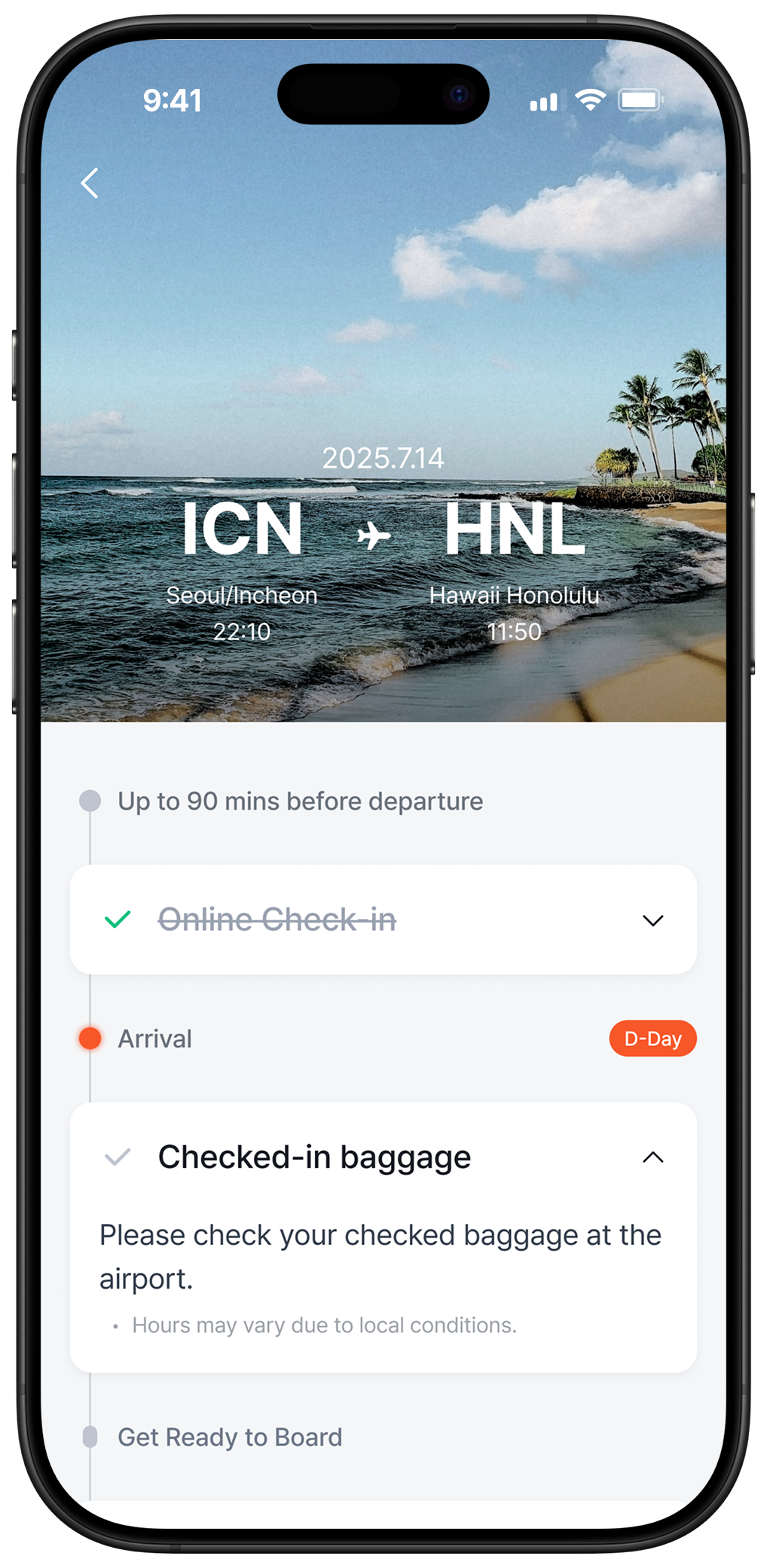
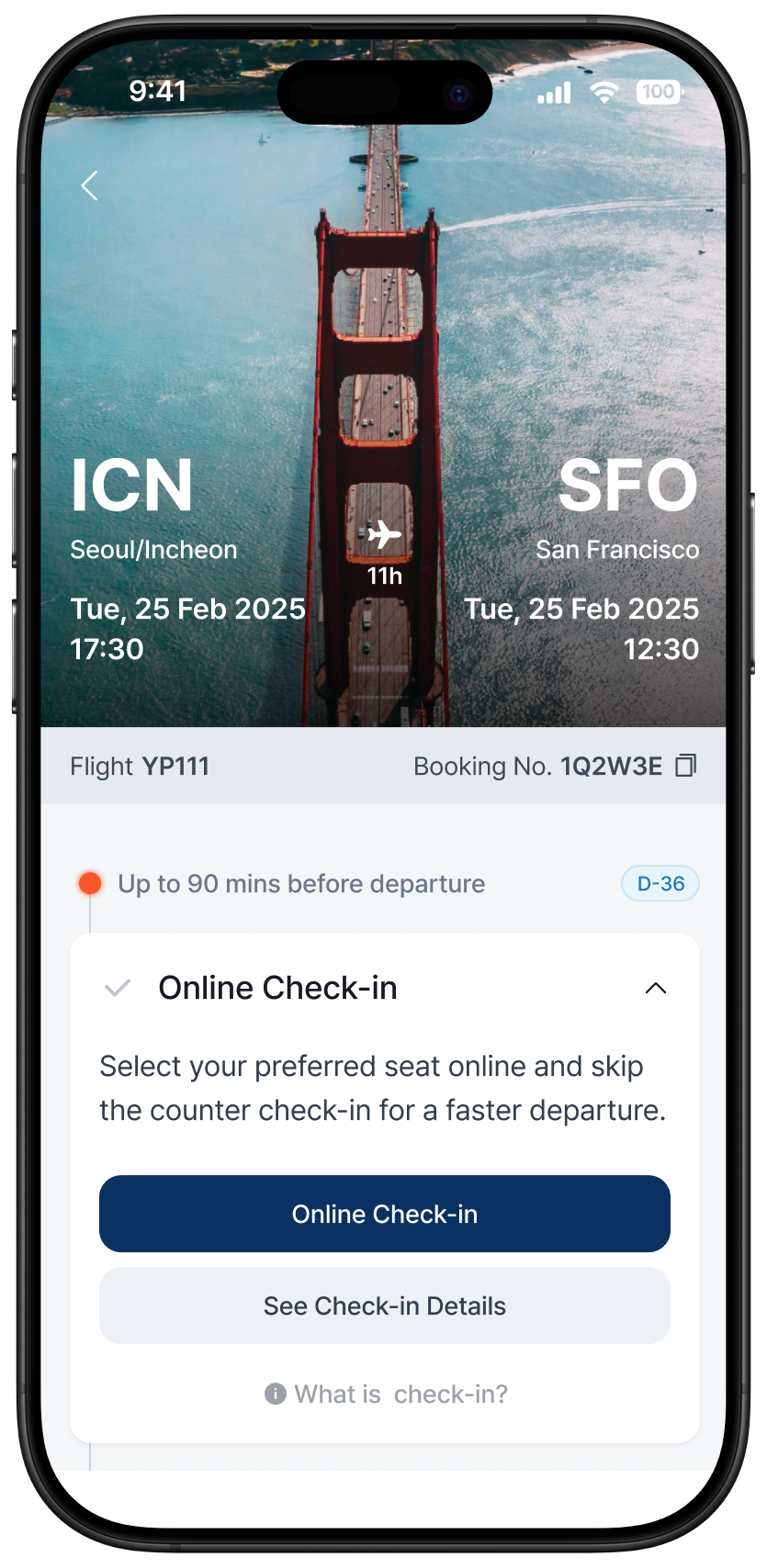
항공 여행의 불안은 대부분 "지금 내가 뭘 해야 하지?"에서 옵니다. 예약부터 탑승까지 단계별로 안내하는 타임라인을 설계해 사용자가 다음 행동을 항상 명확히 알 수 있도록 했습니다.Most travel anxiety comes from not knowing what to do next. We designed a step-by-step timeline, from booking through boarding, so users always have a clear next action.
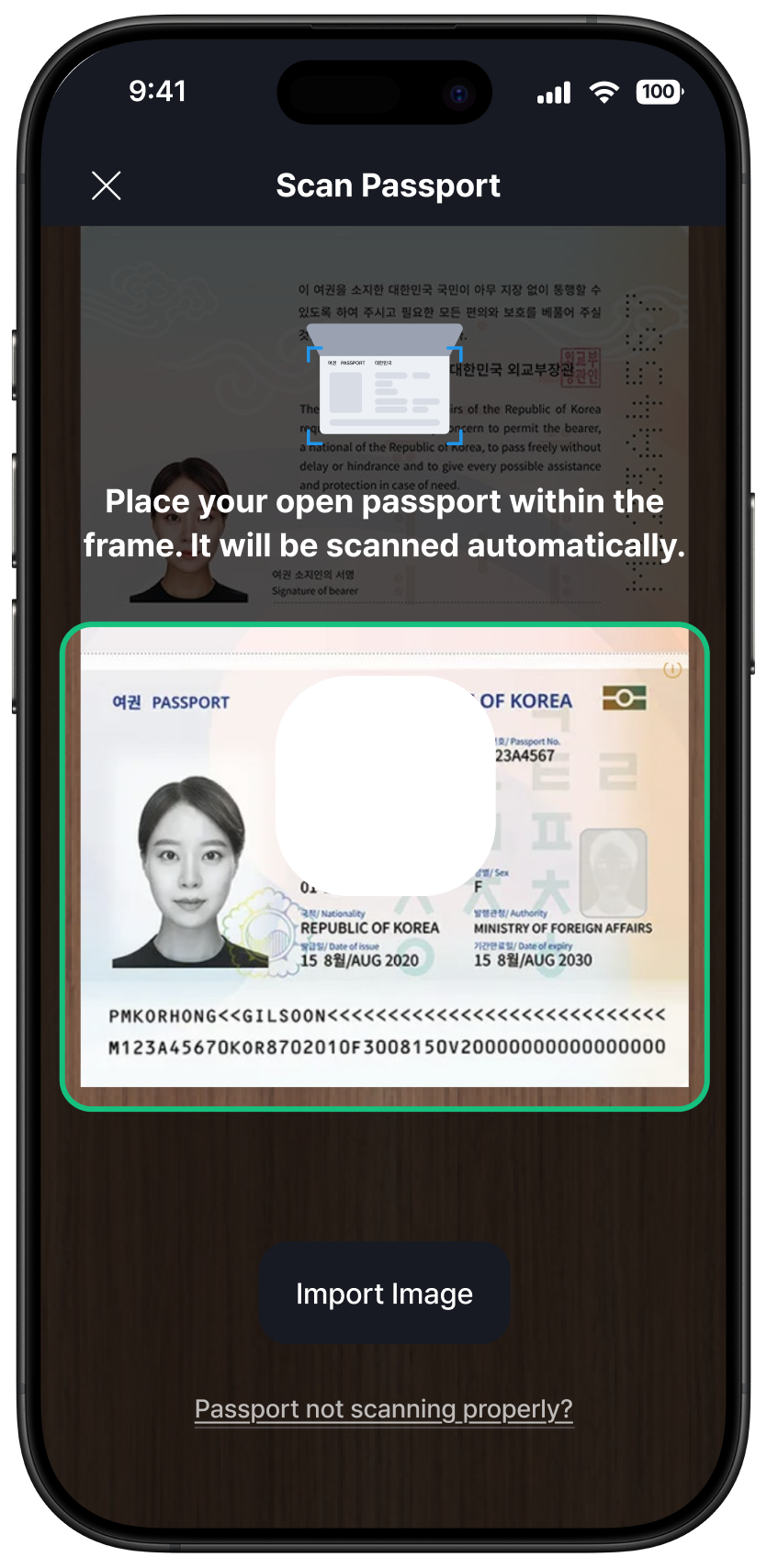
항공사 체크인 정책은 자주 바뀝니다. 정책 변경마다 앱 업데이트가 필요한 구조는 지속 불가능합니다. 핵심 UI는 Native로, 정책 의존적인 부분은 WebView로 분리해 유지보수 비용을 최소화했습니다.Airline check-in policies change frequently. A fully native implementation would require an app update every time. We split the architecture: core UI in Native, policy-dependent flows in WebView.
05 — MVP Launch
2025. 02. 26, iOS Korea only · Zero paid marketing
8주 만에. 유료 마케팅 없이, 오가닉 다운로드만으로. In 8 weeks. Pure organic — no UA campaign, no paid install.
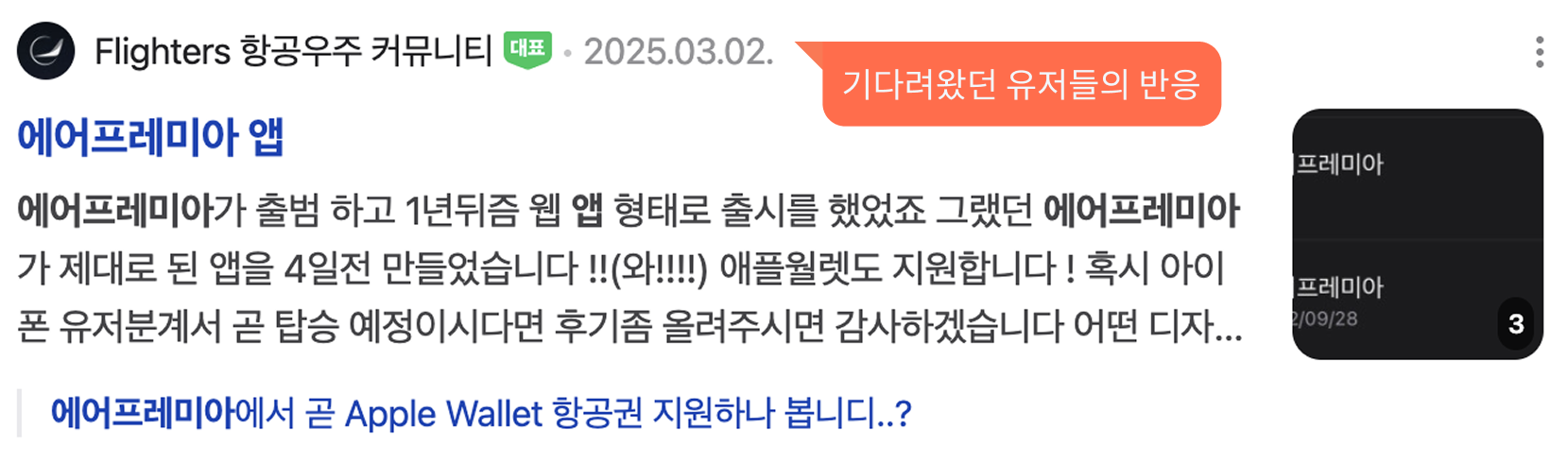
H1 가설을 직접 검증한 결과입니다. 사용자는 예매 완료 직후 스스로 앱을 찾아 다운로드했습니다. 앱을 알리지 않아도, 여행이 알렸습니다. This directly validated H1: users sought out the app on their own, right after booking. The journey promoted the app — not the other way around.
하지만 숫자만으로는 충분하지 않았습니다. 다운로드한 사용자가 실제로 앱을 어떻게 쓰는지 확인이 필요했습니다. But downloads alone weren't enough — we needed to see how real users actually experienced it.
05-B — MVP Design
06 — User Research
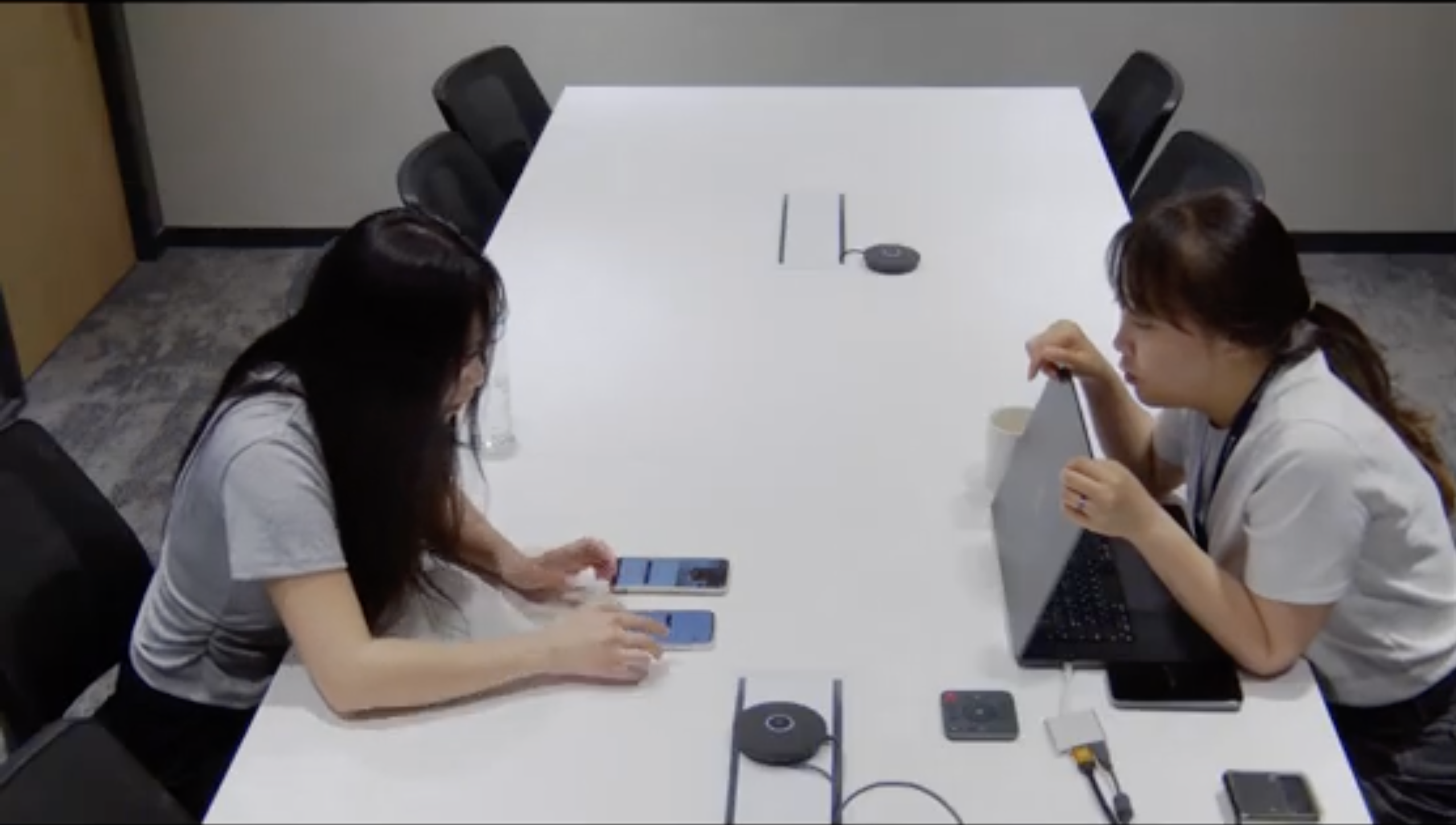
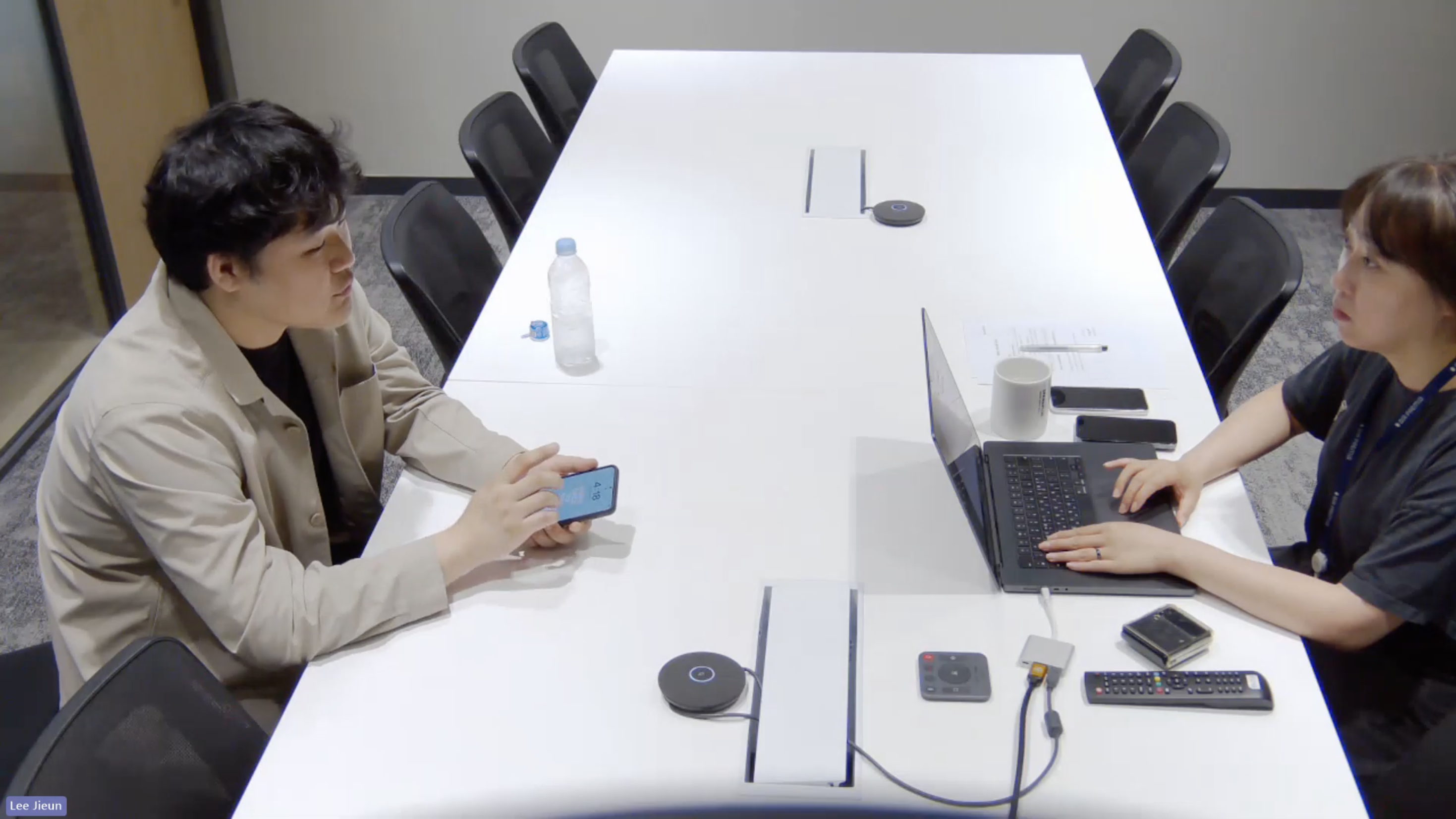
출시 후 iOS/Android 실사용자 8명 심층 인터뷰. 예약·탑승·체크인 등 실제 사용 시나리오 기반 태스크 수행 + 인터뷰. In-depth interviews with 8 real users (iOS & Android) after launch. Task-based sessions covering booking, check-in, and boarding scenarios.
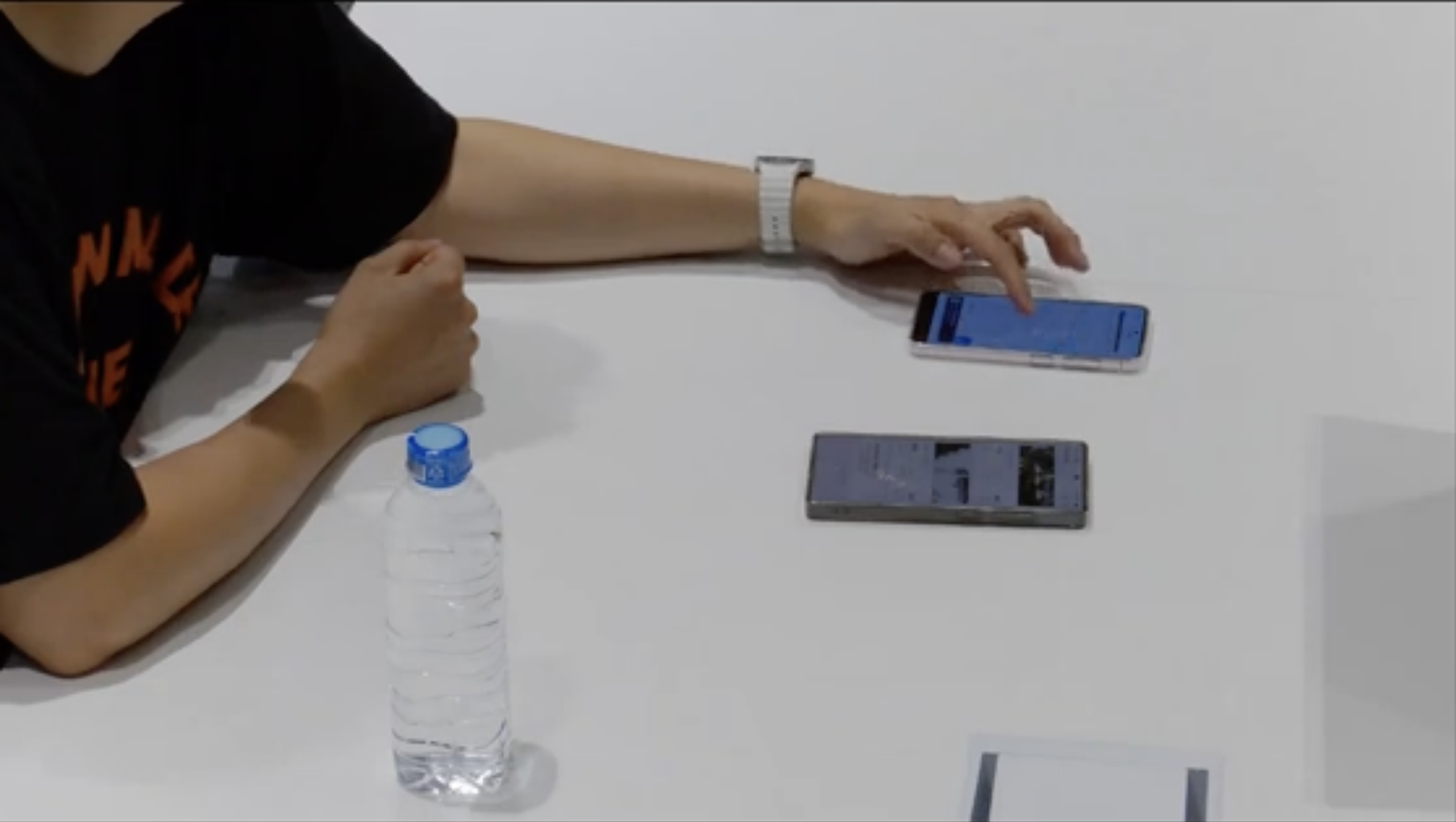
UT Scenes
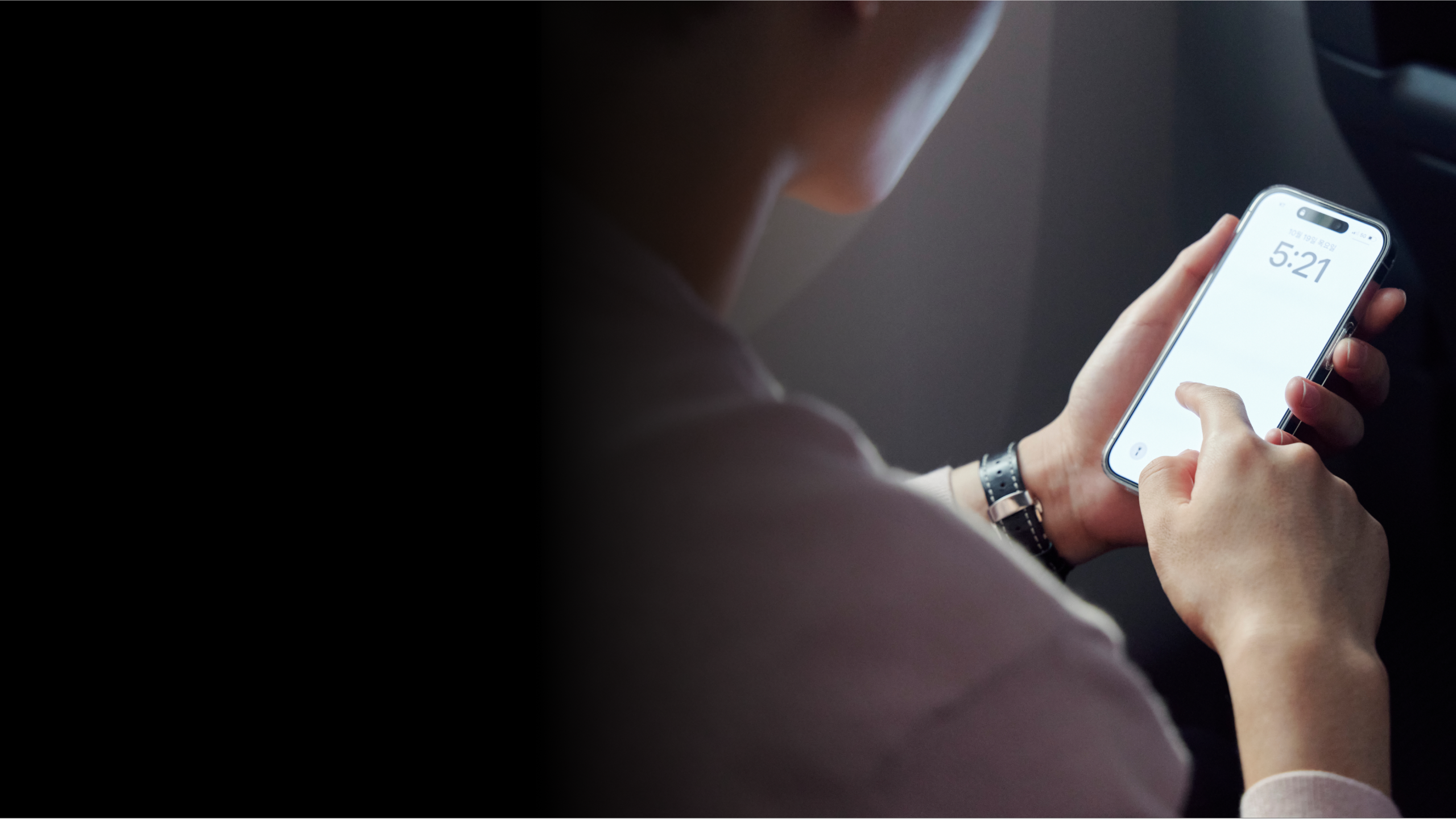
테스트 현장 From the sessions
07 — Results
앱 사용자는 웹 사용자보다 더 자주 돌아오고, 더 많이 구매합니다. App users return more often, and convert at a higher rate.
모바일 탑승권 사용률은 현재 웹보다 낮습니다. 알림톡 연결 이슈로 사용자가 웹으로 우회하는 것으로 파악됩니다. 기술팀과 함께 연결 플로우를 개선 중입니다. Mobile boarding pass usage is currently lower than web. We identified a KakaoTalk notification redirect issue causing web fallback. A fix is in progress with the engineering team.
Final Product
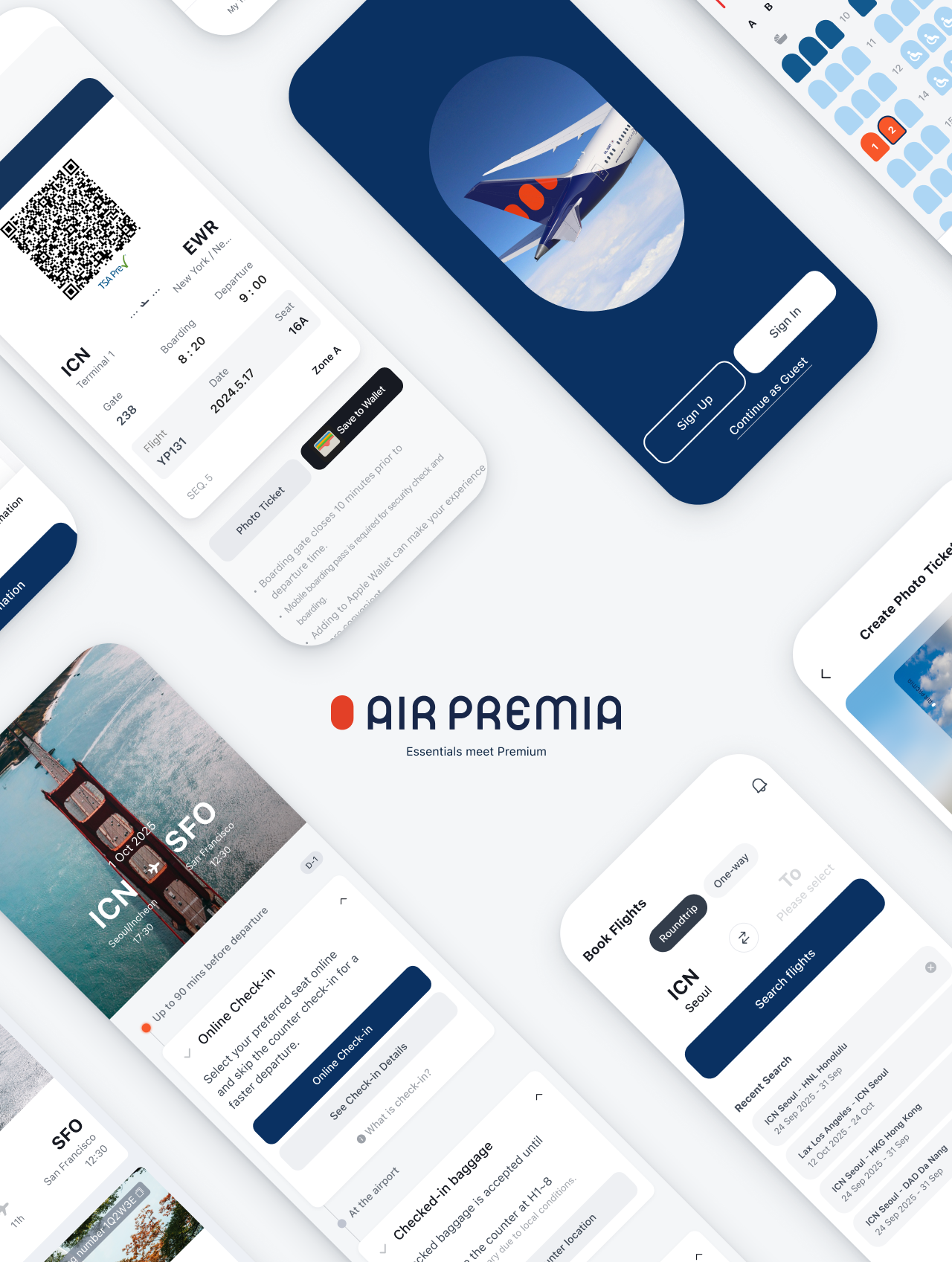
출시된 최종 화면 What shipped
"앱을 만들어달라"는 요청에서 시작해, 탑승 경험을 제품 문제로 재정의하고 전체 매출의 15%를 견인하는 채널을 만들었습니다. What started as "build an app" became a new revenue channel, and evidence that boarding experience is a product problem, not an ops problem.